Everything You Need to Know About What You Can and Can’t Put in a Dumpster
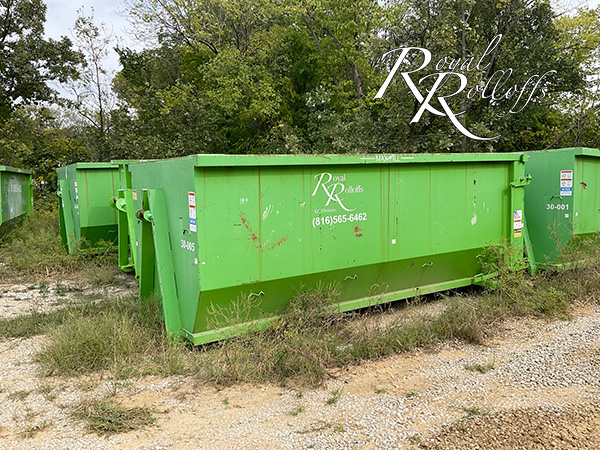
As you prepare for any type of cleanup or home renovation in the Independence, MO community, being aware of acceptable and prohibited items is key to success. It often surprises people to learn that certain items cannot go into a dumpster. Understanding these rules helps prevent issues, unexpected charges, and health and safety risks while disposing of waste. At Royal Rolloffs, we focus on keeping the rental process smooth by explaining approved and restricted materials. Following this list will help you plan ahead and load safely.
Proper waste disposal is about more than just convenience. It keeps your project within legal requirements, keeps workers and residents safe, and supports environmental responsibility. By learning what items belong in a dumpster and which ones require special handling, you can stay on schedule without complications. In this guide we outline typical types of debris, explains limitations, and gives suggestions for proper loading and disposal.
General Household Items and Clutter
Most household junk and general debris can be safely placed in a dumpster rental. Furniture, textiles, toys, paper goods, and general garbage can be disposed of together. These common materials are easy to dispose of and make up the bulk of waste generated during cleanouts and move-outs. If you are organizing a whole-home purge, you will likely load these items first. Stacking and arranging these items helps you use space wisely.
General debris from household projects, such as drywall, flooring, wood scraps, and shingles, can also be placed in a dumpster. They are frequently produced during home upgrades. Load heavy items first and break apart large debris for better space use. Doing this stabilizes the contents and makes it easier to add lighter waste above. Continuous sorting keeps the project organized and avoids overflow.
Green Waste and Exterior Cleanups
Most green waste like grass, branches, and leaves can be tossed in. Homeowners use dumpsters for landscaping projects, seasonal cleanups, and storm debris removal. Keeping yard debris separate from other materials helps with disposal and ensures that the waste is handled according to local composting or recycling regulations. It is recommended to cut down oversized roots and stumps before loading, as they may be subject to special processing.
Exterior structures like fences and decks may go in as long as untreated. Avoid wood treated with dangerous chemicals, since they may be regulated. You can add masonry debris but spread it throughout to keep weight level. Distributing the weight evenly is important for safe transportation and compliance with road weight limits.
Prohibited Waste and Restricted Materials
Some items are banned for safety and environmental protection. Oil, gasoline, and pesticides are strictly prohibited. Improper disposal of these could pollute soil and water. Your local hazardous waste program can direct you to the right facility.
Fridges and AC units must be drained before disposal. E-waste and batteries must be processed separately because of toxic components. Medical waste, biohazard materials, and certain contaminated soils are also prohibited. Understanding these limits helps you plan efficiently and stay safe.
Building and Renovation Waste
One of the most common reasons for renting a dumpster is construction and demo cleanup. Wood, roofing materials, metal, and concrete are typically allowed and may be placed in the same container. Grouping debris by category helps reduce landfill waste and supports sustainable disposal. Royal Rolloffs provides guidance here to keep construction site disposal safe and lawful.
Demolition jobs often produce a significant amount of debris, including plaster, tiles, and windows. They may be disposed of if free of hazardous substances like asbestos. Hire a certified abatement service if asbestos is suspected. Organizing debris removal in advance supports efficiency and jobsite safety.
Best Practices for Heavy Loads
Heavy materials such as concrete, dirt, rocks, and asphalt can be disposed of in a dumpster, but they require special handling. These materials quickly add weight, and overloading can make the container unsafe for transport. Customers should be mindful of how much heavy material is placed inside to avoid exceeding weight limits. In some cases, separating these materials into smaller loads may be necessary to ensure safe hauling.
Spread heavy material evenly across the container floor. Even loading avoids damage and makes pickup safer. We can suggest the safest plan if you inform us about heavy materials first. Thinking ahead helps you stay within safe loading practices.
Green Practices for Waste Handling
Responsible disposal helps maintain a healthy community and ecosystem. Careful sorting reduces landfill impact and protects the environment. Royal Rolloffs helps ensure waste is processed with environmental care. Our dedication preserves the cleanliness of Independence, MO, for years to come.
When customers take time to separate recyclables like metal, cardboard, and certain plastics, it makes the disposal process more sustainable. Doing this helps ensure smoother collection and transport. Our team shares tips for hassle-free recycling preparation. Doing this means you meet local guidelines while acting responsibly.
Making Dumpster Rentals Work for Every Project
Learning the rules helps avoid issues during the rental period. Customers in Independence, MO, rely on Royal Rolloffs to provide not just a container but also the knowledge and support they need to handle waste responsibly. When you follow these steps, your jobsite stays organized and on schedule. Royal Rolloffs is dedicated to smooth, efficient disposal service. No matter if it’s a cleanout, renovation, or outdoor project, we ensure your container meets your needs.